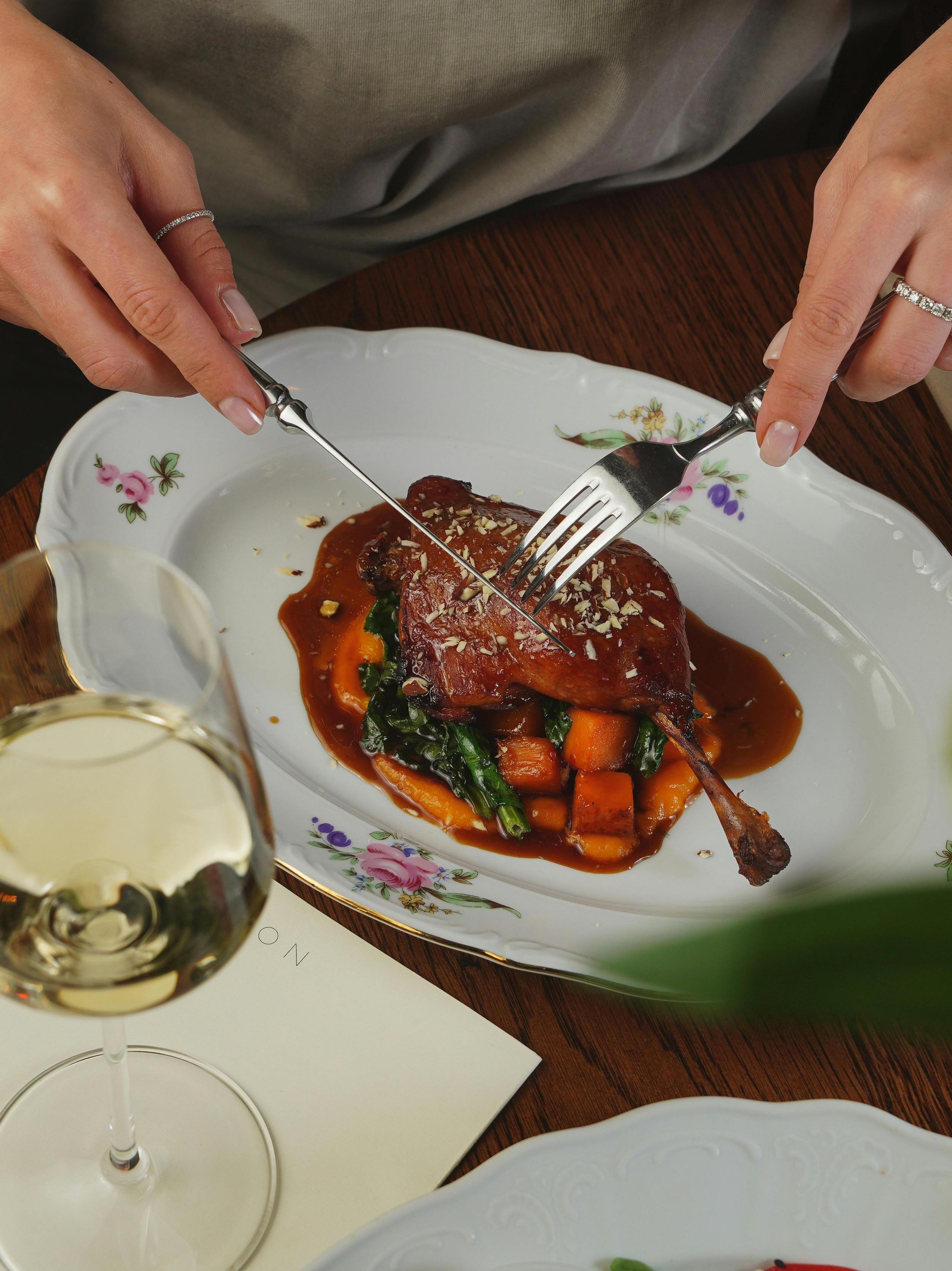
While Portuguese cuisine isn't one we immedietly think of in our daily consumption, you're likely enjoying a variation of it every day!
During the Middle Ages, the Portuguese relied heavily on a diverse agricultural foundation that shaped their daily sustenance and cultural practices. We have fertile lands and favorable climates, which cultivated a variety of crops, including cereals, vegetables, roots, legumes, and chestnuts. Additionally, 'husbandry' played a vital role in our livelihood, as poultry, cattle, and pigs were raised to provide both nourishment and economic security. This agricultural abundance not only ensured survival but also influenced social structures and trade in medieval Portugal.
Let's just pin point a couple common dishes that are rooted back to Portugal, for example, have you heard of UK's Fish & Chips? Take it back a few centries (15th Century) and you have the original bacalhau com batatas fritas. It doesn't stop there, have a sweet tooth? Notice the similarity of Hong Kong Egg Tart (港式蛋挞) and Portugal's Pastel de Nata! I'm not saying this is a zealous manner because it originated by monks in Lisbon but that is a story for another time.
So, while Portuguese cuisine might not dominate the headlines or fill the trendy food blogs like Italian or Japanese fare, its legacy is quietly, and deliciously, woven into meals across the globe. This subtle spread is the result of centuries of exploration, trade, and adaptation. Whether you realize it or not, the taste of Portugal may already be a part of your everyday life. And perhaps, the next time you enjoy a familiar dish, you’ll pause and wonder if a little piece of Porto made it to your plate.